POTIONS LABORATORY
Supplies for this course: everything this course asks you to gather, by level, lives on the Potions supplies page.
Course SuppliesVisit Professor Muddlenook's OfficeBookstore ShelfThe Library
Welcome to the Potions Laboratory, scholars. I am Professor Crimblebrew Muddlenook, Master Apothecary and Head of House Meridies, and this course is the work of my life set down in order.
Potions is the apothecary's craft: real botanical preparations made with real technique, taught the way apothecaries have learned it for two thousand years. You will grind and sift, steep and strain, melt and pour. You will keep ledgers the way the old shopkeepers did, label every jar before it is filled, and learn why order is not fussiness but the difference between a laboratory and a mess with shelves. The atmosphere is cauldrons and vials and wax seals. The learning is genuine.
What this course will not do, I will tell you plainly at the start, because plain dealing is the first laboratory virtue. We make no medicinal claims. We give no dosages. We never taste unidentified materials. What we make is for study, for display, and for the honest pleasure of craft done well. If that sounds like your kind of work, pull up a stool. The bench is ready.
A Note from Professor Muddlenook
One habit to learn before you measure anything: look for my seal. Every lesson in this laboratory carries notes under it, in boxes like this, and those words are mine alone: the warnings I would call across the bench, the shortcuts worth taking, and the ones that are not. The lesson gives you the preparation. My notes give you the apothecary's judgment that goes with it.
Never skip the sealed ones. They are usually the ones keeping you safe.
PROFESSOR CRIMBLEBREW MUDDLENOOK
Potions Laboratory
Master Apothecary, Head of House Meridies
What You Will Need
Keep at hand:
- A bound notebook or journal
- Pens, pencils, and a ruler
- Index cards
- Adhesive labels
- A binder with tab dividers
- A clear table or counter to work at
Every practical lesson is written for two levels, and both teach the same craft.
Level One uses household materials only: kitchen scales and measuring cups, jars and bowls you already own, a mortar and pestle if you have one (a sturdy bowl and the end of a rolling pin will serve at first), dried culinary herbs and spices from the grocer, oils, vinegar, salt, and sugar. You will never be asked to buy an unusual historical material to complete the core lesson.
Level Two uses materials closer to the historical apothecary's bench, for scholars who can gather them: a beam or jeweler's scale, proper glassware, beeswax and cocoa butter, a range of dried botanicals, and similar supplies. Each lesson names them clearly so you know exactly what is optional and what is not.
You will also need a bound journal for your recipe records, labels and a pen that will not smudge, and a shelf or corner you can claim as your laboratory.
THE MATERIA BOTANICA — THE LABORATORY’S HALF
Every botanical this Laboratory handles stands in the school's shared archive, kept with Professor Fernfoot's Greenhouse: the living plant in her keeping, the post-harvest work in mine.
44 of its plants are also stocked in the Potions Experiment's ingredient door. Look a material up before you brew with it — that is what an archive is for.
Enter the ArchivePROFESSOR CRIMBLEBREW MUDDLENOOK · POTIONS LABORATORY
The Curriculum
Unit I: Foundations of the Laboratory
Before a single extraction is attempted, the laboratory itself must be built. Workspace zoning, vessels and glasswork, labels and seals, the recipe journal, the apothecaries' system of weights and measures, the mortar and pestle, the census of your materials, and the hearth clearance that closes every working session. Nine lessons that make everything after them possible.
Unit II: Materia Botanica, Delicate Structures
The study of materials begins with the delicate ones: flowers, leaves, spices, and aromatics. You will train your senses in order, learn to judge dried botanicals on intake, understand what degrades them in storage, and begin building your entries in the shared Materia Botanica, the reference work this class tends together with Herbology.
Unit III: Dense Materials & Preparation
Roots, bark, resins, oils, waxes, salts, and clays ask more of the worker than petals do. This unit teaches grinding to grade, the four mechanics of filtration, and the preparation steps that decide an extraction before it begins. It closes with your Master Portfolio and a full preparation manifest.
Unit IV: Botanical Extractions
The heart of the apothecary's art: six solvent systems, each in its turn. Infused oils, water infusions, glycerites, decoctions, vinegar acetums, resin fusion, spirit tinctures, and the alembic's distillation, all recorded in the extraction ledger you will keep for the rest of the course.
Unit V: Botanical Formulations
Extraction gives you ingredients; formulation gives you preparations. Balms and salves, candles, sachets, whipped emulsions, crystalline scrubs, and soap by two methods, including the cold-process crucible with its non-negotiable lye protocol. You will also break things on purpose, because the failed batch is one of the finest teachers in the laboratory.
Unit VI: Fragrance, Pigments & Botanical Arts
The course turns outward to the beautiful applications: pomanders and solid perfumery, volatile spirits, incense traditions, carbon and oak gall inks, plant and berry stains, paper aging, and wax seals. It closes with a full audit of your course archive and a roadmap for the year of independent practice ahead.
The Capstone: The Apothecary's Signature Formula. Your masterwork. You will design an original preparation drawing on at least three units, write the complete formulation brief before touching a vessel, execute it under the full laboratory rhythm, keep the revision log honestly, and contribute a Signature Formula entry to your Materia Botanica.
Course Learning Objectives
By the end of this course, you will be able to:
- Practice the complete laboratory rhythm, safety briefing through archive entry, until it is habit rather than instruction.
- Identify, judge, and document botanical and mineral materials through structured sensory observation, and grade them honestly.
- Prepare materials for extraction by grinding, sifting, filtering, and separation, and judge any preparation against the extraction-readiness checklist.
- Carry out the six great extraction systems, oil, water, glycerin, vinegar, alcohol, and steam, and explain in your own words how each one works.
- Formulate semi-solid, emulsified, crystalline, and soap preparations to the archive standard, and diagnose failures when they happen.
- Work with fragrance, pigment, ink, and smoke materials safely, and state the honesty rules that govern each.
- Keep a laboratory archive, journals, ledgers, batch records, and revision logs, that another scholar could pick up and follow.
- Design an original preparation with a complete formulation brief and safety plan, execute it, and document it truthfully, including what went wrong.
A Note on Safety
Every lesson in this course opens with a safety briefing, and I expect it to be read with the same attention you give the procedure. Our standing covenant is simple: no dosage recipes, no medicinal claims, no tasting of unidentified materials, and preparations marked for display are never consumed. Beyond that, each lesson carries the safety rules its materials demand: heat and steam, blades, alcohol, smoke, fine powders, irritants, lye, hot wax, and strong fragrance all get explicit instruction, including protective equipment, ventilation, labeling, storage, cleanup, and when an adult must be present. Lye in particular is never handled casually; its lesson contains a non-negotiable protocol. If you are a younger scholar, work through this course with an adult nearby. Careful habits are the whole craft.
Order first, curiosity always. Welcome to the laboratory.
PROFESSOR CRIMBLEBREW MUDDLENOOK
Potions Laboratory
Master Apothecary, Head of House Meridies
THE POTIONS EXPERIMENT · SCHOOL OF EVERSHADE
The Recipe Makers
Four makers work in this laboratory. Each one writes its recipe around your choices — and every method behind them is taught first, in the lessons. Learn the method, then apply it here.
Nineteen brews — infused oils, balms, teas, syrups, acetums, extracts, candles, sachets, soaps, and the compound brews — built around your choices, or around an ingredient you already have.
Applies the lessons of Units IV & V The Lotion Cauldron
Emulsions — light lotion or rich cream — at fixed laboratory ratios, fresh or preserved.
Deep Shelf · Applies Lesson 38 · Stands on Lessons 26, 27 & 35 The Soap Cauldron
Cold-process soap from one locked formula. The safety gate comes first — it always comes first.
Deep Shelf · Applies Lesson 41 The Ink Cauldron
Iron gall ink in three shades — pale, standard, or deep — mixed to your batch size. Dip pens only.
Deep Shelf · Applies Lesson 48
The deeper the brew, the stricter the builder — that is the Deep Shelf's rule, and the laboratory keeps it.
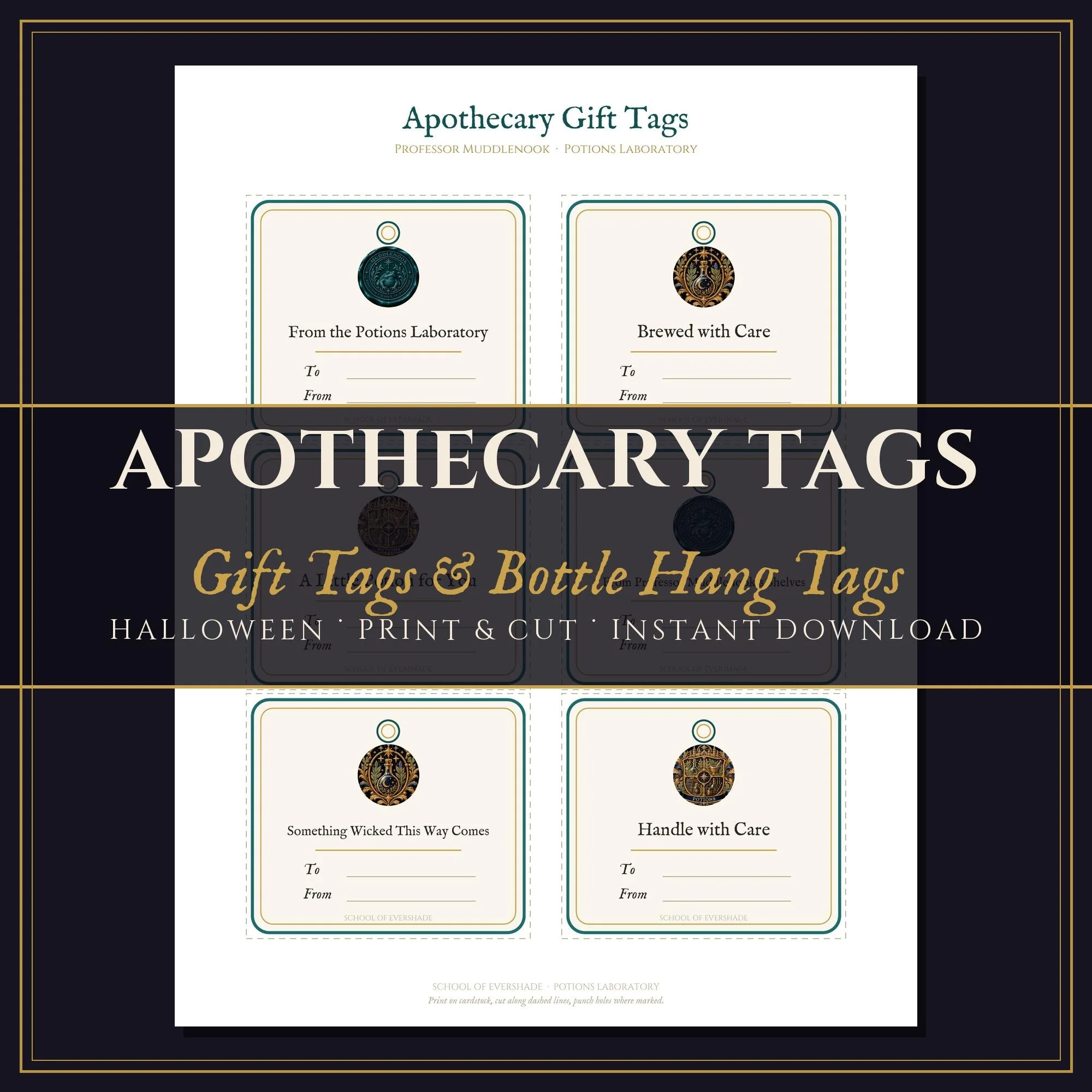
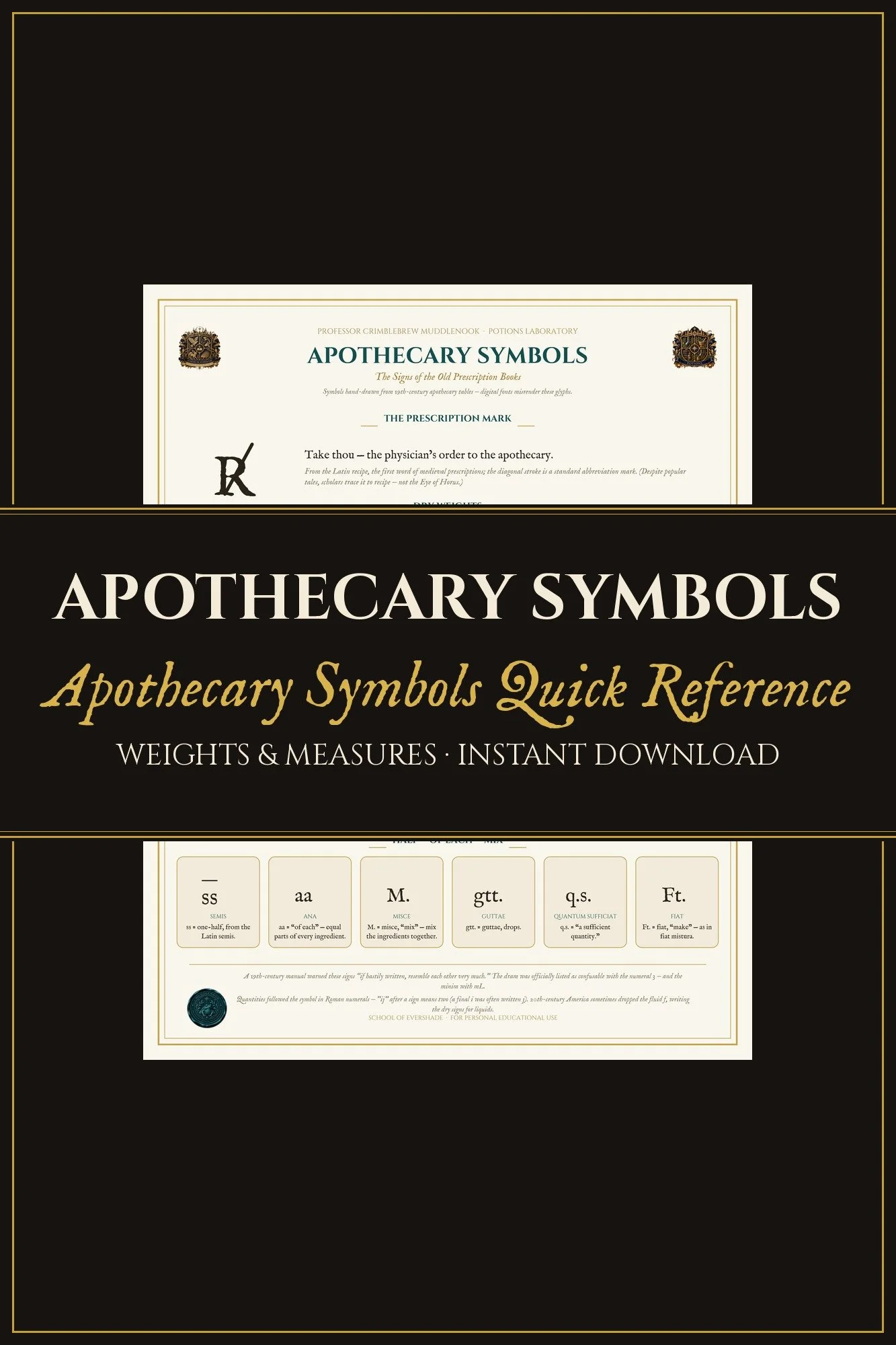
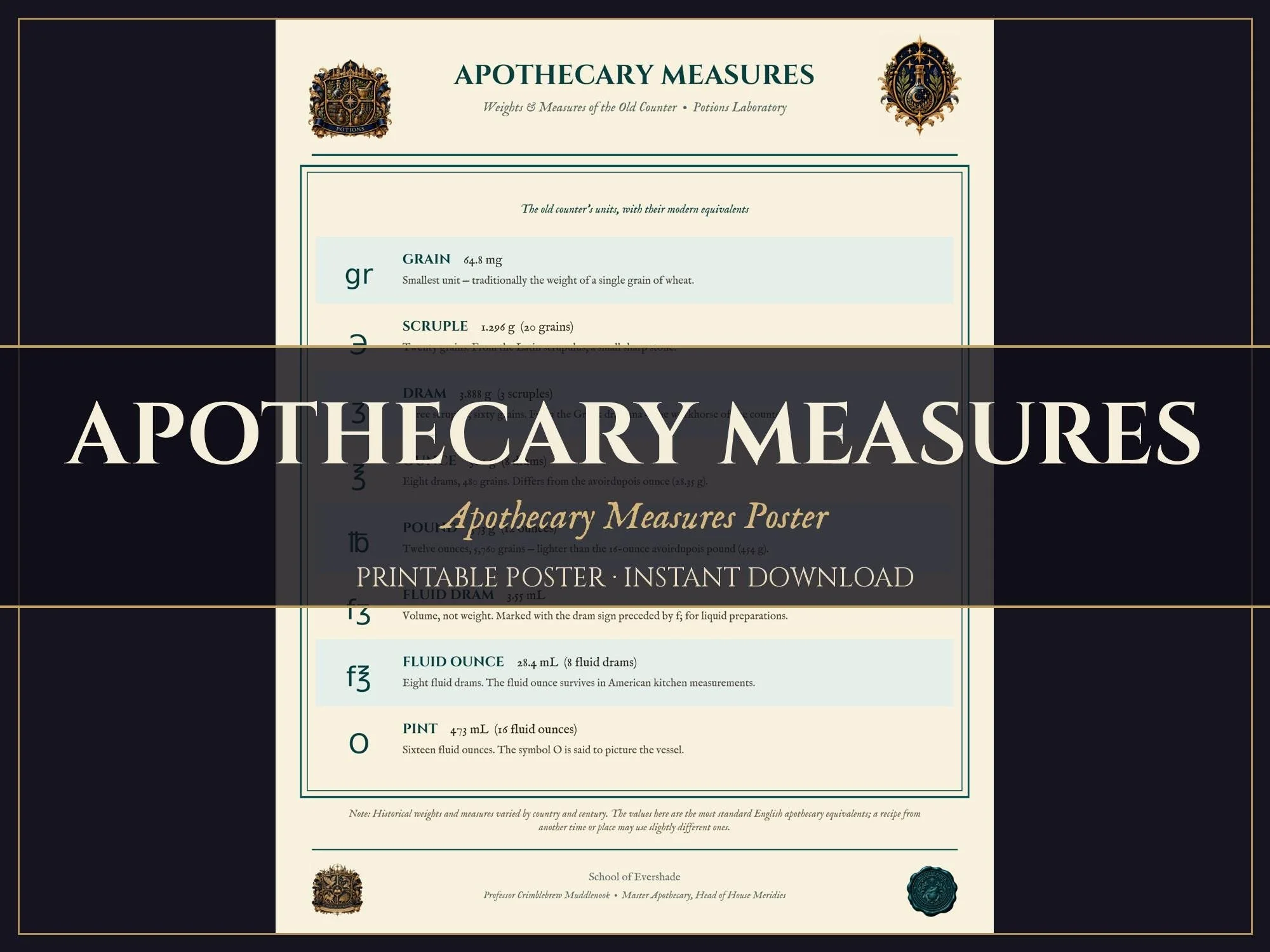
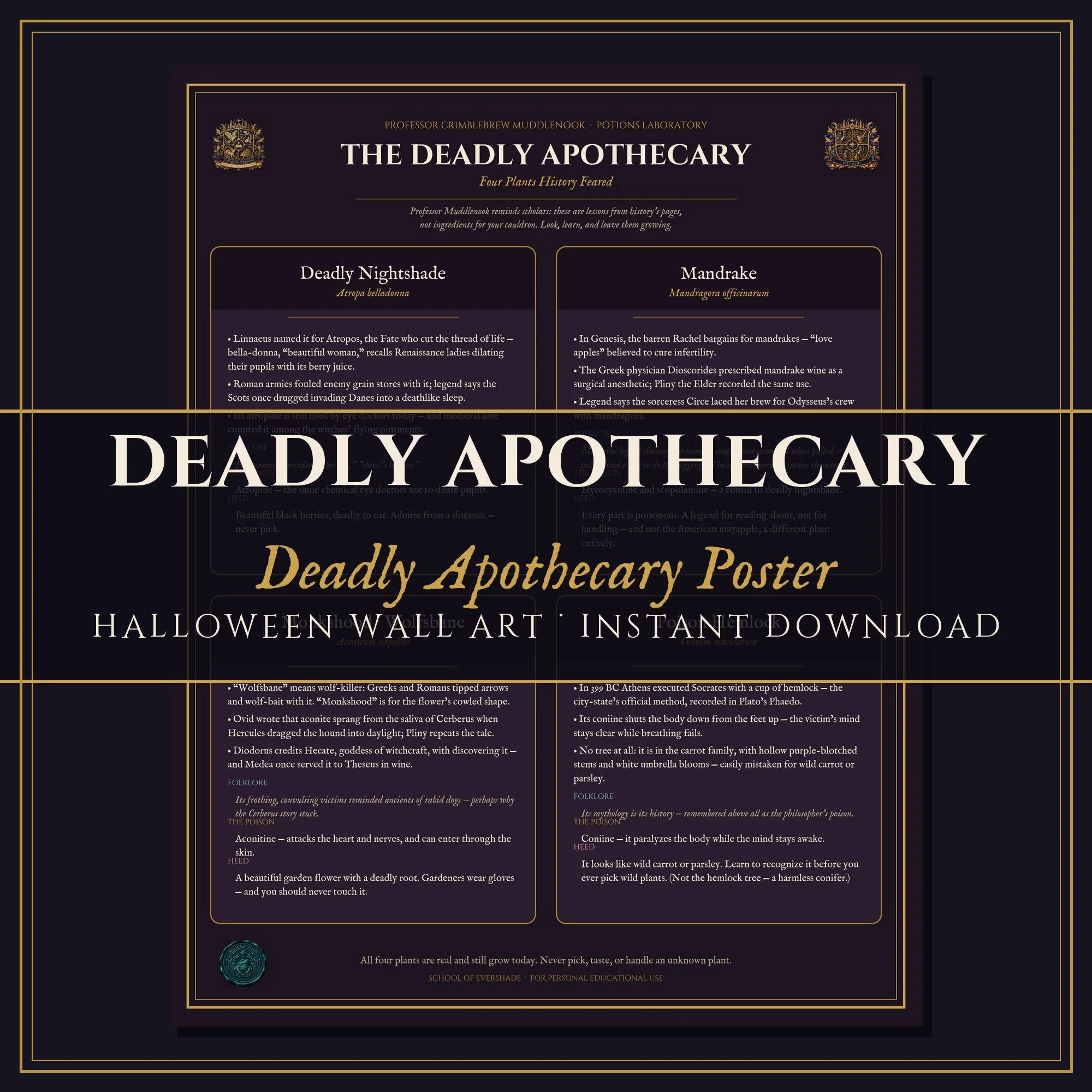
From the Apothecary Cabinet
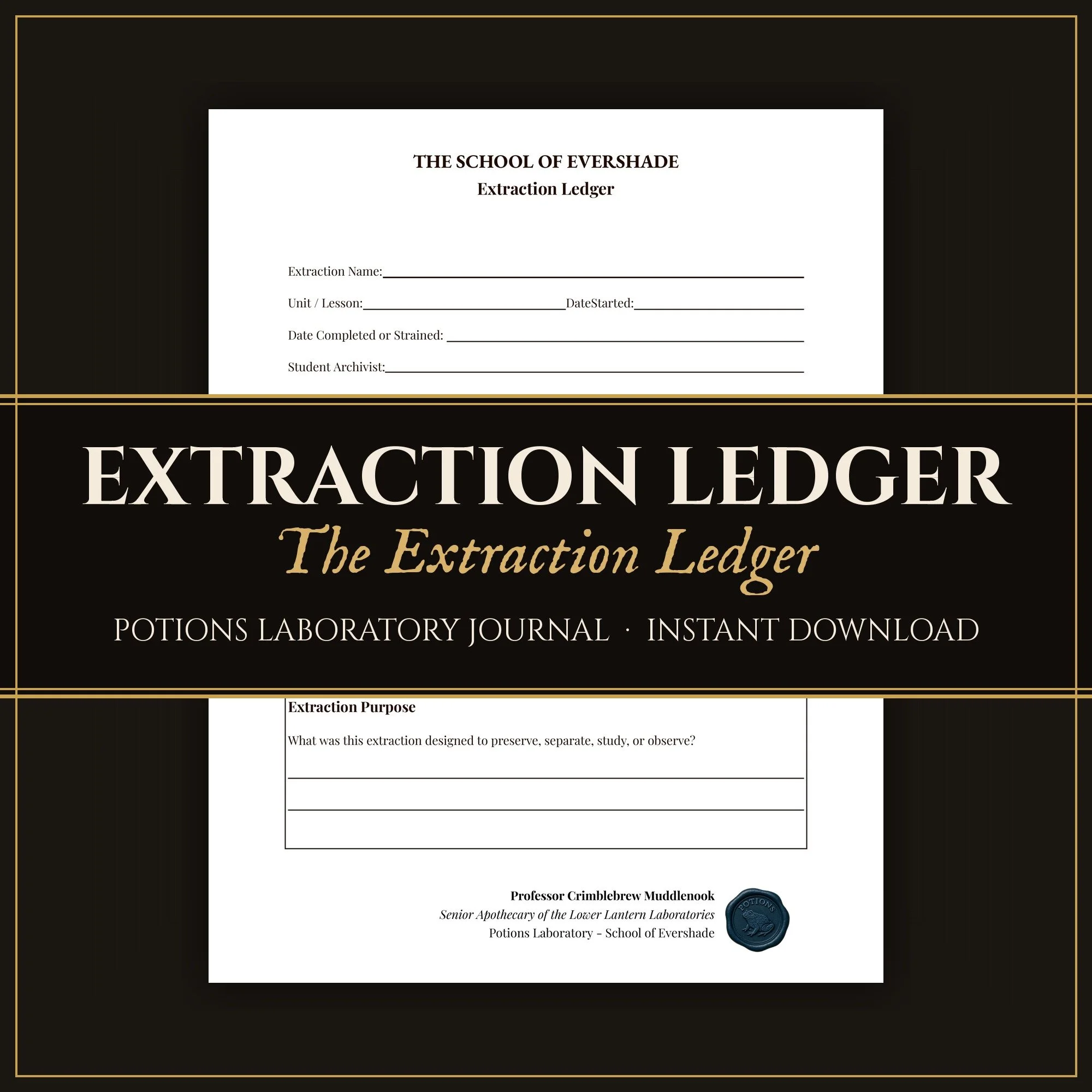
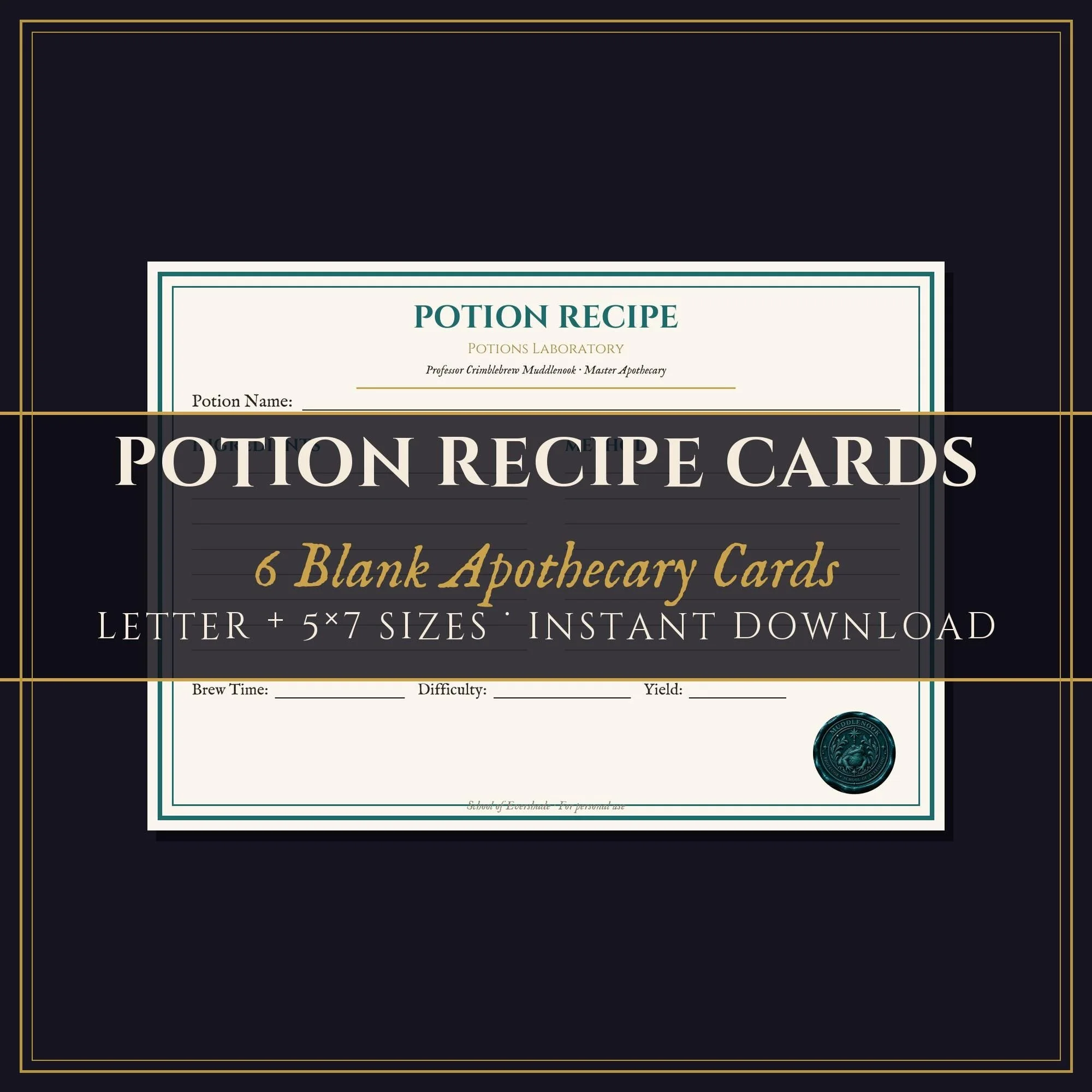
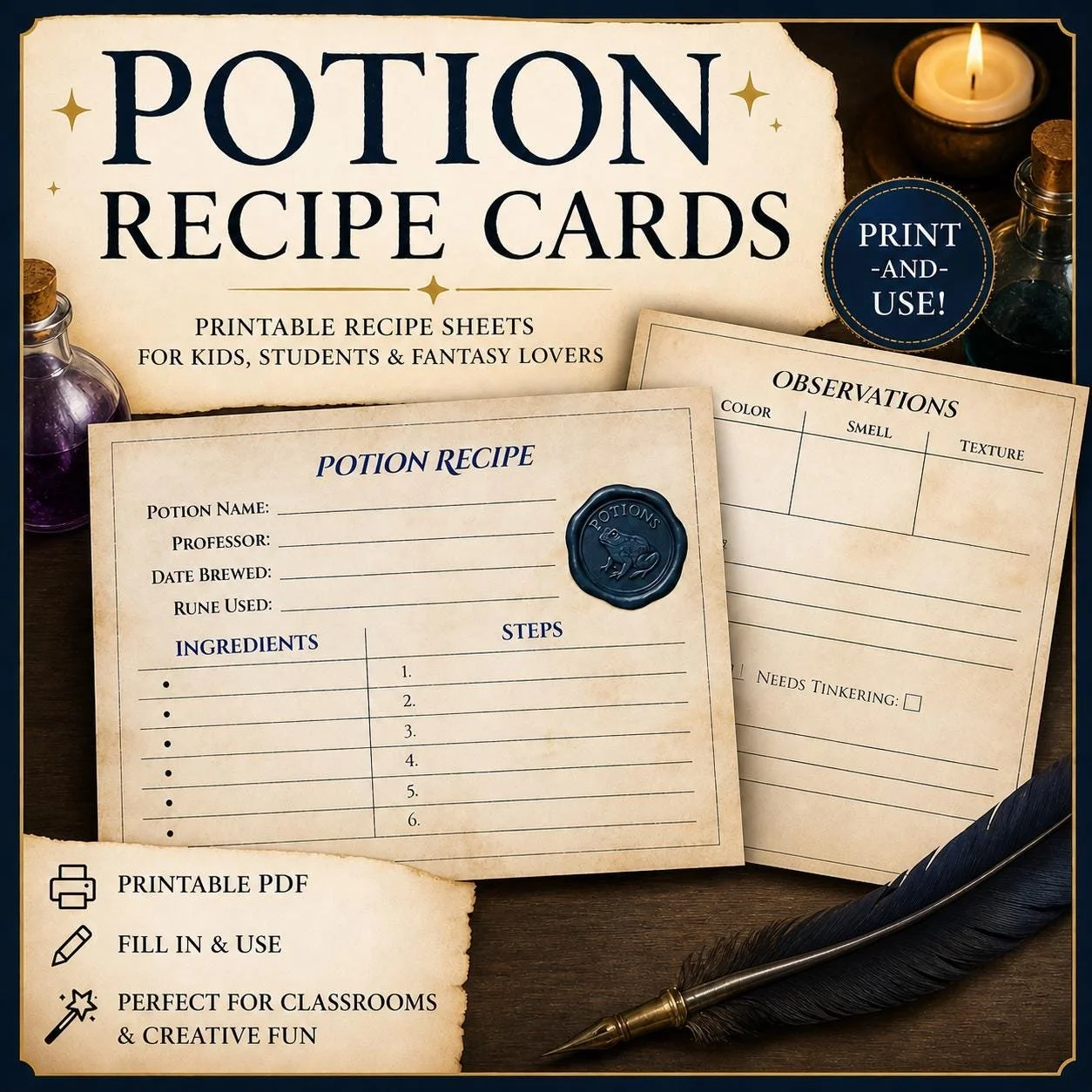
The printed companions to this laboratory, from Professor Muddlenook’s shelf in the shop.
From the Potions Bookshelf
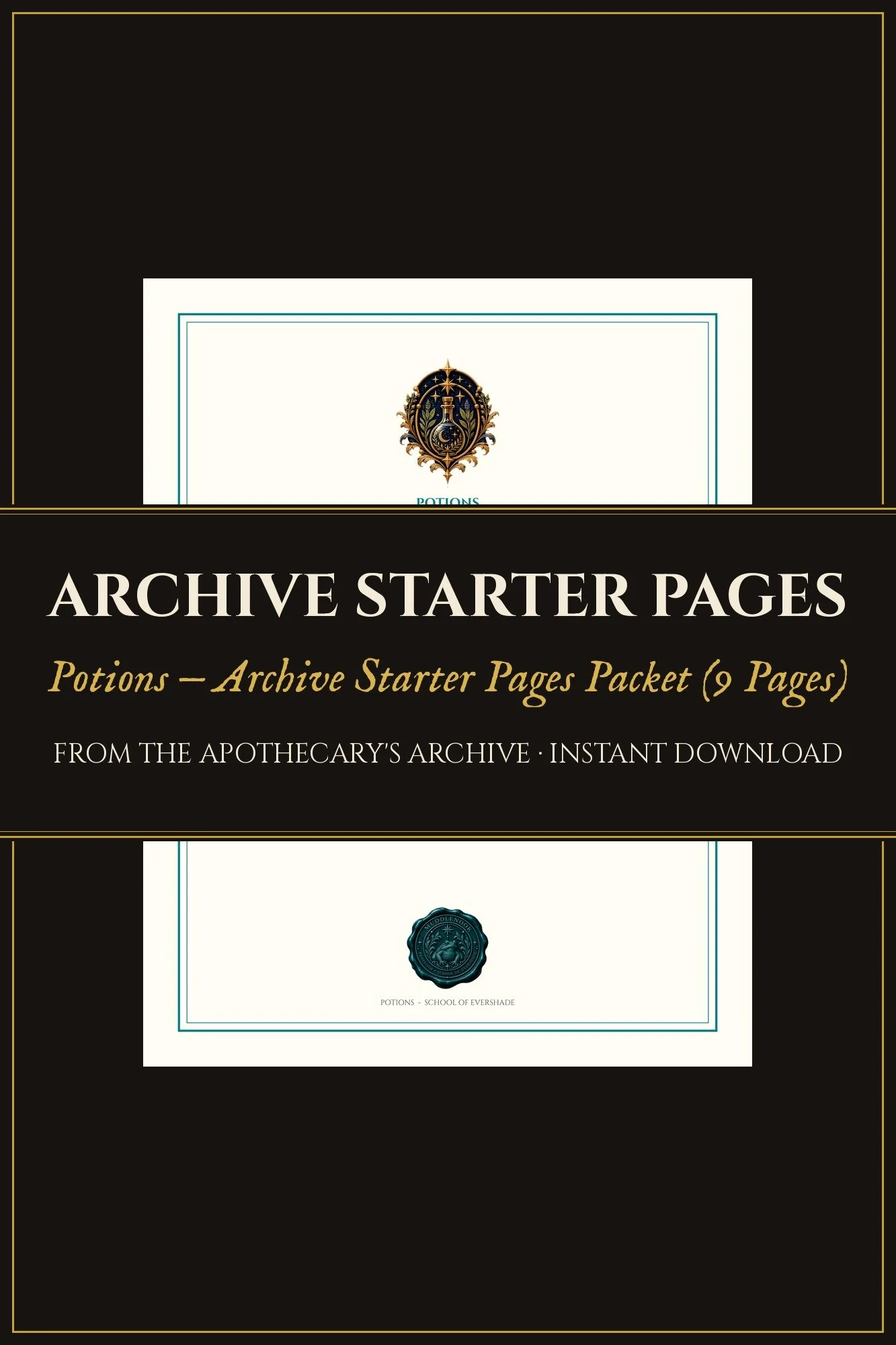
Printed volumes from this classroom’s own shelf in the school Bookstore — bound editions to keep beside your lessons.